
Did you know a small loan term difference can cost over $100,000 in interest? Choosing the right financing is key to homeownership.
Deciding between a fixed rate vs adjustable rate mortgage can be tough. You must balance your financial stability with market changes.
Knowing current mortgage interest rates helps protect your wealth. A thorough mortgage comparison gives you the clarity to choose the right option for you.
Whether you want predictable payments or initial savings, it’s important to understand these options. Let’s look at how these choices affect your housing future.
Key Takeaways
- Understand the fundamental differences between loan structures to save money.
- Analyze how current market trends influence your long-term borrowing costs.
- Prioritize your financial comfort when selecting a payment plan.
- Use a detailed comparison to align your loan with your housing goals.
- Recognize that your choice impacts your total interest paid over decades.
Understanding the Basics of Fixed Rate vs Adjustable Rate Mortgage
When you start looking for a home, choosing the right mortgage is key. It affects your monthly budget for years. Knowing how interest works on your mortgage is essential. This knowledge helps you pick a mortgage that fits your financial needs.
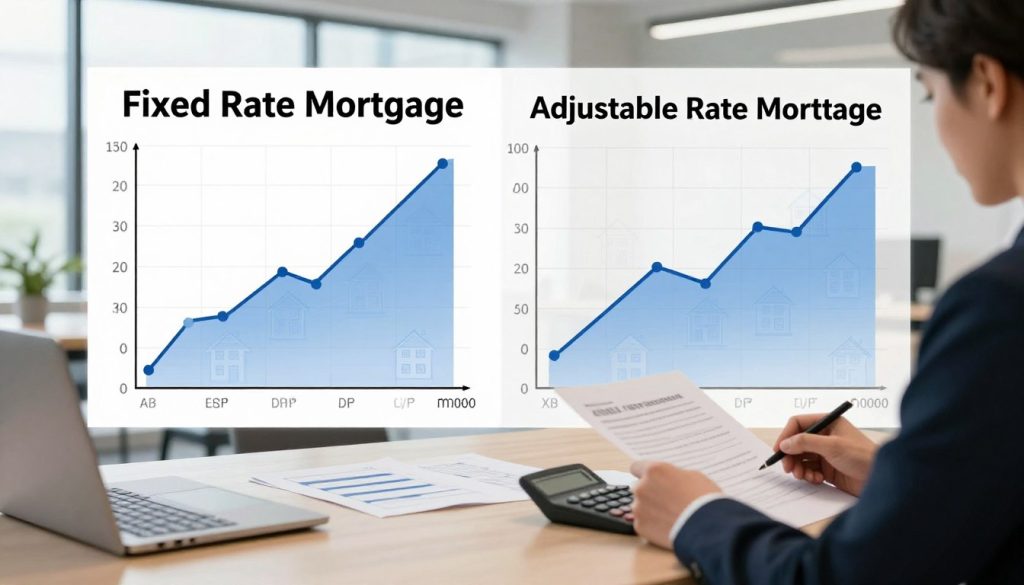
How Fixed Rate Loans Provide Stability
A fixed rate loan gives you complete peace of mind. Your interest rate stays the same for the whole loan term. This means your payments don’t change, no matter what the economy does.
With a fixed rate, you’re protected from changes in mortgage interest rates. It’s great for those who like knowing exactly what they’ll pay each month. You won’t face unexpected increases in your payments, even if rates go up.
The Mechanics of Adjustable Rate Loans
An adjustable rate mortgage (ARM) has loan terms that change over time. These loans often start with a lower rate, which can be appealing if you plan to move or refinance soon. But, it’s important to remember that your payments can go up or down after the initial fixed period.
The changes in your payments are based on economic trends. When comparing a fixed rate vs adjustable rate mortgage, think about how you feel about possible payment changes. The table below shows the main differences between these two mortgage types.
| Feature | Fixed Rate Mortgage | Adjustable Rate Mortgage |
|---|---|---|
| Interest Rate | Stays the same | Changes periodically |
| Monthly Payment | Predictable | Variable |
| Best For | Long-term owners | Short-term strategies |
| Risk Level | Low | Moderate to High |
Benefits of Choosing a Fixed Rate Mortgage
If you like knowing what to expect, a fixed rate mortgage could be right for you. When you start looking at mortgage comparison, you’ll see fixed rate mortgages offer stability. They are a solid base for your long-term home financing plans.
Predictable Monthly Payments for Your Budget
The main benefit is your payments stay the same for the loan’s life. You won’t face sudden increases in housing costs. This stability lets you plan your budget confidently.
With fixed payments, you can save or invest without worry. It makes budgeting easier. You can manage your finances without the stress of changing payments.
Protection Against Rising Interest Rate Trends
Market changes are unpredictable, but your mortgage doesn’t have to be. A fixed rate mortgage protects you from interest rate fluctuations. Even if rates rise, your rate stays the same.
This protection keeps your housing costs stable, no matter the economy. It insulates your budget from market ups and downs.
Long-Term Peace of Mind for Homeowners
Choosing between fixed and adjustable rate mortgages depends on your comfort level. Many prefer the peace of mind a fixed rate offers. It ensures your home stays affordable for years.
This security lets you enjoy your home without worrying about market trends. It’s a smart, conservative choice for a stable path to homeownership. You’re investing in a future where housing costs are one less worry.
Advantages of Opting for an Adjustable Rate Mortgage
An adjustable rate mortgage can be a smart choice for your finances. It offers flexibility that might fit your lifestyle better than a fixed rate. Knowing about home financing helps you pick the right option for your goals.
Lower Initial Interest Rates
Adjustable rate mortgages start with lower interest rates. This means you pay less each month at first. This extra money can help with other debts or home improvements.
These savings can make buying a home easier. They help manage your budget in the early years of your loan.
Potential Savings During Market Downturns
Keeping up with mortgage rate trends is key with adjustable rates. If the economy changes, your rate might go down. This could lower your monthly payments without needing a new loan.
Watching the market can help you save money. Even though rates can go up, the chance to save during certain times is a big plus. Being alert lets you take advantage of good mortgage rate trends.
Strategic Flexibility for Short-Term Homeowners
For those not planning to stay long, adjustable rates are very beneficial. You can enjoy lower rates and sell before the rate changes. This is common for those who move often for work or personal reasons.
Matching your loan terms with your plans helps avoid risks. It’s a smart way to focus on short-term needs over long-term stability. Here’s a comparison to show the differences:
| Feature | Fixed Rate | Adjustable Rate |
|---|---|---|
| Initial Payment | Higher | Lower |
| Rate Stability | Permanent | Temporary |
| Best For | Long-term stay | Short-term stay |
| Market Risk | None | Variable |
Conclusion
Choosing the right mortgage is all about your financial goals. You need to think about how much risk you’re okay with and how long you’ll stay in your home. This is key when deciding between a fixed rate and an adjustable rate mortgage.
Lenders like Wells Fargo and Chase have many mortgage options. It’s smart to keep an eye on mortgage rates to see if they fit your budget. Knowing about rate changes can help you plan for your future payments.
Your mortgage choice affects your financial future for years. Before you sign, think about your savings and career plans. You can find a loan that fits your needs for stability or flexibility.
Talk to a financial advisor to get advice tailored to you. They can help you find the best mortgage for your area. Feeling sure about your choice makes buying a home easier.